The Members Who Never Post: A Quiet Audit for UK Community Admins

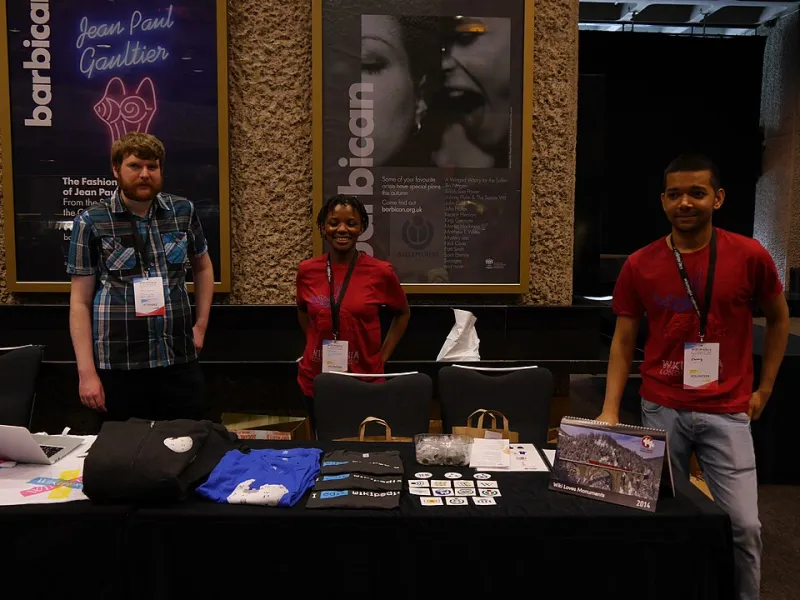
Photo: Shixart1985, CC BY 2.0, via Wikimedia Commons
Every UK community group has them: the member who opened the newsletter, clicked the link, read the whole thread and then said nothing. They are not a problem to fix. They are part of the community. Yet plenty of platform decisions get made as if the only real members are the ones typing in the group chat at 9pm.
That is where a quiet member's audit comes in. Not a membership drive. Not a nudge campaign. Just a honest look at who your platform is accidentally leaving out, and whether your idea of "engagement" has quietly become a reward scheme for the loudest voices in the room.
Silence isn't a hole to fill
Let's get one thing straight: reading is participation. A parent checking the school-run lift rota, a newly retired person following the allotment updates, a carer who dips into the village hall thread when they can — all of them are using the platform. They may never post a photo, answer a poll or join a video call. That does not make them passive. It makes them selective.
Treat silence as failure and you will build the wrong things: more notifications, more prompts, more "say hello" threads that make quiet members feel watched. Treat silence as information and you can learn something useful. Why is someone reading but not replying? Is the group too public? Too fast? Too confusing on a phone? Or are they simply getting what they need without performing in front of the neighbours?
Start with a participation map, not a leaderboard
A practical first step is to map the ways people actually take part. Most community platforms have more rungs on the ladder than admins remember. A member might:
- read a digest or notice
- react with a thumbs-up
- click a link to an external form
- attend an in-person event
- reply privately to an admin
- share a post in another group
- volunteer for a one-off task
- post publicly
The last one is the most visible, which is exactly why it gets overrated. Your audit should ask which of these routes are open, which are easy, and which require a public performance. If the only way to influence the group is to speak in the main feed, you have designed a community where quiet people are heard last.
Where engagement metrics get loud
Platform dashboards love a simple story: posts, comments, reactions, active members. Those numbers are not useless, but they flatter the people who are comfortable in the spotlight. A group can look healthy because six regulars are having a lively debate while forty members quietly drift away.
Watch for three common distortions:
- The visible-participation trap. If every ritual requires a public reply, you are measuring confidence as much as interest.
- The speed bias. Fast-moving chat suits people with spare time and a certain kind of confidence. Slower forums and weekly digests suit others.
- The admin's-eye view. Admins see the posts and the problems. They often miss the member who reads every update and tells a friend, "Go on, you'll find it on there."
None of this means you should bin your metrics. It means you should read them alongside quieter signals: digest open rates, event attendance, form completions, private replies, retention, and the simple question, "Did this help you?"
A one-week quiet audit you can actually run
You do not need a data team. You need a notebook, a cuppa and about an hour across a week.
Day one: list your channels. Write down every place your community lives: the Facebook group, the WhatsApp chat, the newsletter, the website noticeboard, the event sign-up sheet. Mark which ones require a public profile and which allow quiet use.
Day two: sample the week. Look at who posts, who reacts, who attends, who clicks. Do not name and shame. Just notice the shape. Are the same five people carrying the conversation? Are there members who joined recently and have never been given a low-stakes way in?
Day three: check the doorway. Ask a quiet member — or a friend who is not in the group — to try one task: find the next event, ask a question, update a detail. Watch where they hesitate. Clunky sign-ups and unclear rules exclude people quietly.
Day four: review your rituals. Which activities demand a public reply? Which could offer an anonymous form, a private message or a simple "no reply needed" update? Small changes here matter more than a new engagement campaign.
Day five: look at timing and language. A live chat at 7pm might suit some and exclude shift workers. A post full of acronyms might confuse newcomers. A welcome thread asking people to introduce themselves can feel like a job interview.
Day six: ask gently. A short, optional survey — three questions, no login — can reveal a lot. Ask what people find useful, what they ignore, and what would make it easier to take part. Offer a private reply route.
Day seven: write down what you will stop. The most useful audit finding is often a ritual to retire. Not everything needs to be a conversation.
Small rituals that don't demand a spotlight
Quiet-friendly participation is not about hiding people away. It is about giving them options. A few tried-and-tested ideas for UK groups:
- A weekly digest with a one-line feedback link. Readers can shape the next edition without posting in the group.
- Anonymous question boxes before meetings. The admin reads them out, no name attached.
- "No reply needed" updates. Clear, useful notices that do not pretend to be a discussion.
- Low-effort volunteer roles. Link checker, proofreader, welcome-buddy behind the scenes, refreshments rota. Quiet members often say yes to a specific task, not a vague call for help.
- Quiet office hours. A phone number or form open for 30 minutes a week, no video call required.
- Rotating check-ins. Ask one member at a time for a private thought, rather than inviting everyone to perform enthusiasm in public.
None of these should become another stick to beat people with. The point is to widen the doorway, not to drag everyone onto the stage.
What to do with what you learn
The audit should end with a short list: what you will change, what you will stop, and what you will keep an eye on. Share it with your fellow admins. If you have a constitution or a committee, note it in the minutes. Quiet members are not a special project; they are part of the membership you already have.
And be careful about privacy. Do not single people out, do not publish a list of "lurkers", and do not assume silence means dissatisfaction. Some people are quiet because they are busy. Some are quiet because they are learning. Some are quiet because they are perfectly happy.
The point isn't to make lurkers post
The goal is not to turn every reader into a commentator. It is to make sure your platform is not accidentally designed for the most confident five per cent. A good community tech setup gives people room to read, react, attend, volunteer or speak up — and does not treat the last one as the only proof of life.
So before you launch another engagement drive, try a quiet audit. The people who never post might be telling you something important. You just need to make space to hear it.