The Noticeboard Principle: What Parish Councils Know About Trust That Your Forum Doesn't
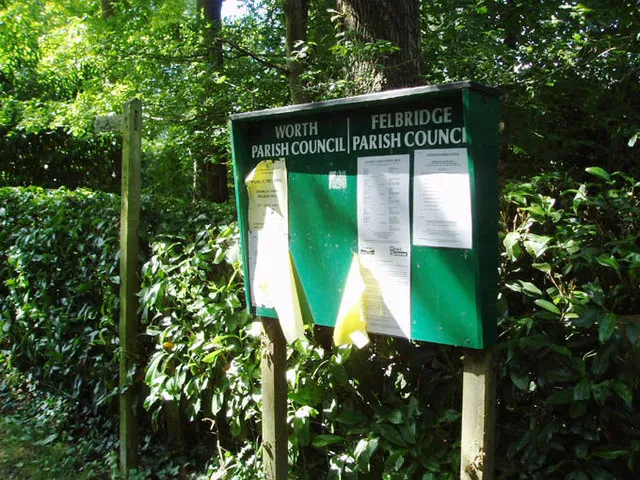
Photo: Nigel Freeman, CC BY-SA 2.0, via Wikimedia Commons
There's a noticeboard outside a village hall near me. It's slightly warped, the glass has a crack in one corner, and it has been displaying the same three documents for about a decade's worth of Tuesday evenings: an agenda, the previous meeting's minutes, and a note about the defibrillator.
It is, for my money, one of the more impressive pieces of civic technology in the country.
The unglamorous machinery
Parish councils operate under a set of habits that have been quietly refined over more than a century. Notice of a meeting has to go up in a conspicuous place — traditionally three clear days beforehand. Agendas are published. Minutes get written and approved. Decisions are recorded, including who voted which way. There's a standing item where members of the public can turn up and say their piece. Freedom of Information requests are answered under a model publication scheme.
None of that is exciting. All of it is trust infrastructure.
Compare that to the average online community, where the moderators are invisible, the rules appeared one day without explanation, the ban list is a state secret, and the only feedback members ever get is a notification saying their post was removed for violating Community Guidelines.
Metrics tell you what happened. Minutes tell you why.
Community platforms love a dashboard. Weekly actives, retention curves, engagement rate, message volume. These are genuinely useful numbers if you're deciding whether to invest in a space.
But they answer none of the questions members actually have. Why was that thread locked? Who decided? Was it one person having a bad evening, or is there a policy? Will it happen again next week?
A parish council would write that down. Not out of sentimentality — out of procedure.
The three-clear-days habit, translated
You don't need standing orders to borrow the shape of this. Take the notice period. In an online group, the equivalent is telling people what's coming before it lands: a pinned post announcing that the moderation policy is under review, what's being considered, and when comments close.
It's a small thing. It also removes the single most corrosive feeling in any community — that decisions arrive out of nowhere, made by people you can't identify, for reasons you'll never learn.
What a decision log looks like when it isn't a legal document
Here's the proposal, and it's deliberately modest. Once a month, post a plain-English summary of what the moderator team actually did.
Not a data dump. A short list: "We removed four posts this month — three for spam, one for a personal attack. We suspended one account for a week after repeated warnings. We declined two requests to add a new channel. We're still deciding on the question about the buy-and-sell thread."
No names. No screenshots. No dunking. Just the shape of the month.
The effect of doing this even twice is disproportionate. People stop assuming the worst, because the worst is no longer invisible. New members learn the norms by example rather than by getting caught out.
Keep an archive, not a scroll
Discord servers, Facebook groups and forums are all dreadful archives. Everything important sinks beneath the tide within a fortnight. The parish council solution is almost insultingly simple: a folder, in date order, of what was decided.
If your community has ever had a disagreement about a rule, you'll know why this matters. "We agreed that in March" versus "here's the March entry" are two very different conversations.
The public participation slot
Almost every parish council meeting reserves time for residents to speak. It's often awkward, occasionally tedious, and it exists precisely so that people don't have to stage a coup to be heard.
Online equivalents are rarer than they should be. An open thread once a quarter where members can raise anything about how the space is run — and where the answers are written down afterwards — does more for morale than any amount of redesigning the onboarding flow.
Small habits beat big pledges
The temptation is to respond to this with a grand transparency charter. Don't. Charters are easy to write and easy to forget. Notices, minutes and logs require someone to actually do them, which is why they work.
Start with one habit. The monthly moderation summary is the easiest and the one with the highest return. Add the decision archive when someone complains about not being able to find something, which they will.
Why bother
Because the difference between a participant and a spectator isn't enthusiasm. It's visibility. People feel like members of something when they can see how it works, who decides, and what happened last time.
The noticeboard outside that village hall has been doing this for decades with a sheet of A4 and a cracked pane of glass. It's not a high bar. It's just a bar we've somehow stopped clearing.