Link Workers Are Looking for You: Why They Keep Missing Your Group
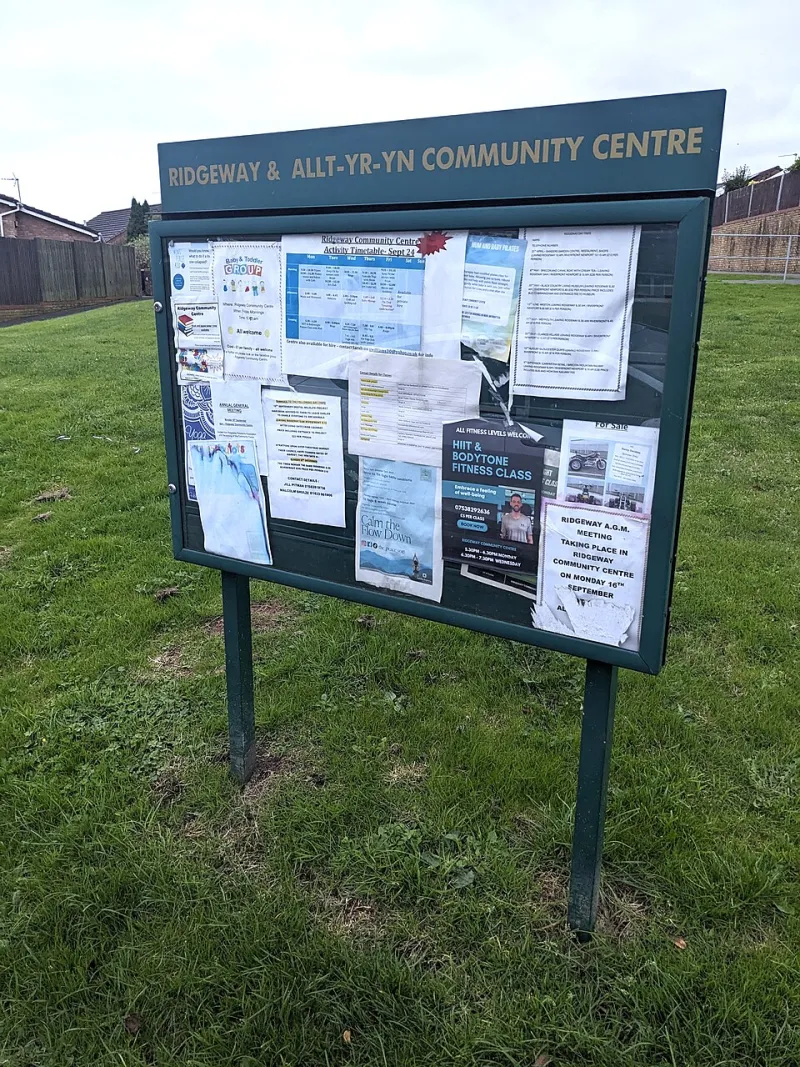
Photo: Jaggery , CC BY-SA 2.0, via Wikimedia Commons
Picture the scene. It is a Tuesday morning in a primary care network somewhere in the North West. A link worker has a person in front of them who has said, quietly, that the only thing they do all week is go to the doctor. They have maybe forty minutes, a laptop and a genuine wish to help.
They open a browser. What happens next decides whether your group gets a referral or gets forgotten.
The five-minute search nobody warns you about
Most link workers do not start from a blank page. They start with things they already trust: the local CVS, a colleague's recommendation, a group they placed someone with last spring. Only after that do they go looking, and when they do, the search is not leisurely. It is a race against the next appointment.
So they type something like 'walking group [town] anxiety adults' and scan the first few results. They open two or three tabs. They want to know, fast:
- what this thing actually is
- where and when it happens
- who it is for, and who it is not for
- whether it costs anything
- how a nervous person gets through the door
If your website makes them work for any of that, they close the tab. Not out of rudeness — out of arithmetic. There are eight more people on the list.
The directory illusion
A lot of UK community groups believe they are discoverable because they are listed somewhere. And technically they are. The problem is what the listing says.
We have all seen the entry: a name, a mobile number that belongs to someone who stepped down in 2023, and the line 'contact us for details'. Or a Facebook page whose most recent post is a Christmas closure notice from two winters ago. Or a directory record that has clearly never been touched since the council rebuilt its website.
None of that is a lie, exactly. It is just not usable. A link worker cannot send a vulnerable person to a maybe. They need enough certainty to say 'try this, and here is the number, and they know you might be coming'.
Findable is not the same as online
There is a persistent assumption that being online is the same as being findable. It is not. Findable means a stranger with a deadline can answer their own questions without phoning you.
That is a much lower bar than building an app, and a much higher bar than posting occasionally. You do not need a members' area, a login wall or a glossy brand. You need one plain page that a tired professional can read in ninety seconds and trust.
The four things to publish — properly
1. A contact route with a human on the end
Not a generic enquiries@ inbox nobody checks, and not a contact form that goes to a volunteer's personal email. Name a role — session lead, referrals coordinator, chair — and give a phone number plus an honest expectation: 'we reply within two working days'. If the phone is only answered on Thursday mornings, say so. Knowing when not to call is its own kind of kindness.
2. A referral path, written down
Can a link worker refer someone directly, or does the person self-refer? Is there a form, a phone call, or can they simply turn up? What happens after the first contact — a welcome message, a buddy, a quiet corner to sit in for the first ten minutes? Write the sequence out in plain English. This is the single most useful thing you can put on a page.
3. Accessibility notes that go beyond a ramp
Step-free access is the start, not the whole story. Link workers are often placing people with anxiety, hearing loss, chronic pain, caring responsibilities or no car. Useful detail includes: is there a quiet room or a side entrance, how loud is it, what is the parking and bus situation, is there a cost including tea and raffle, what is the age range, is there a lift, are toilets accessible, and can someone bring a supporter.
4. An update date you actually maintain
dated line near the top — 'last checked: 6 November 2026' — does more work than a paragraph of mission statement. It signals that someone is home. Pair it with a short 'what is changing' note when sessions pause for summer or move venues. If your listing elsewhere is out of date, fix it or ask for it to be removed; a wrong entry is worse than no entry.
A twenty-minute audit you can do this week
Open your group's page on your phone, on mobile data, as if you were a stranger. Then check:
- Can I see the next session date within one screen of scrolling?
- Is there a phone number that is not buried in a PDF?
- Does the page say whether referral is needed?
- Would a wheelchair user know what to expect?
- Is there a visible date showing the page is alive?
- Does the local directory entry match what is on your own site?
Six yeses and you are ahead of most of the sector. Anything less is a fixable gap.
The quiet multiplier
Nobody is asking community groups to become health services, and nobody should pretend a coffee morning is a clinical intervention. But link workers are now a real and growing route into local life across the UK, and they are working with minutes, not hours.
Publishing a clear contact route, an honest referral path, proper access notes and a date is unglamorous work. It also happens to be the difference between a group that gets found and a group that gets described, kindly, as 'somewhere round there, I think'.
Your side door is open. Put a sign on it.