Reading the Room: A Pub-Tested Vibe Audit for UK Community Platforms

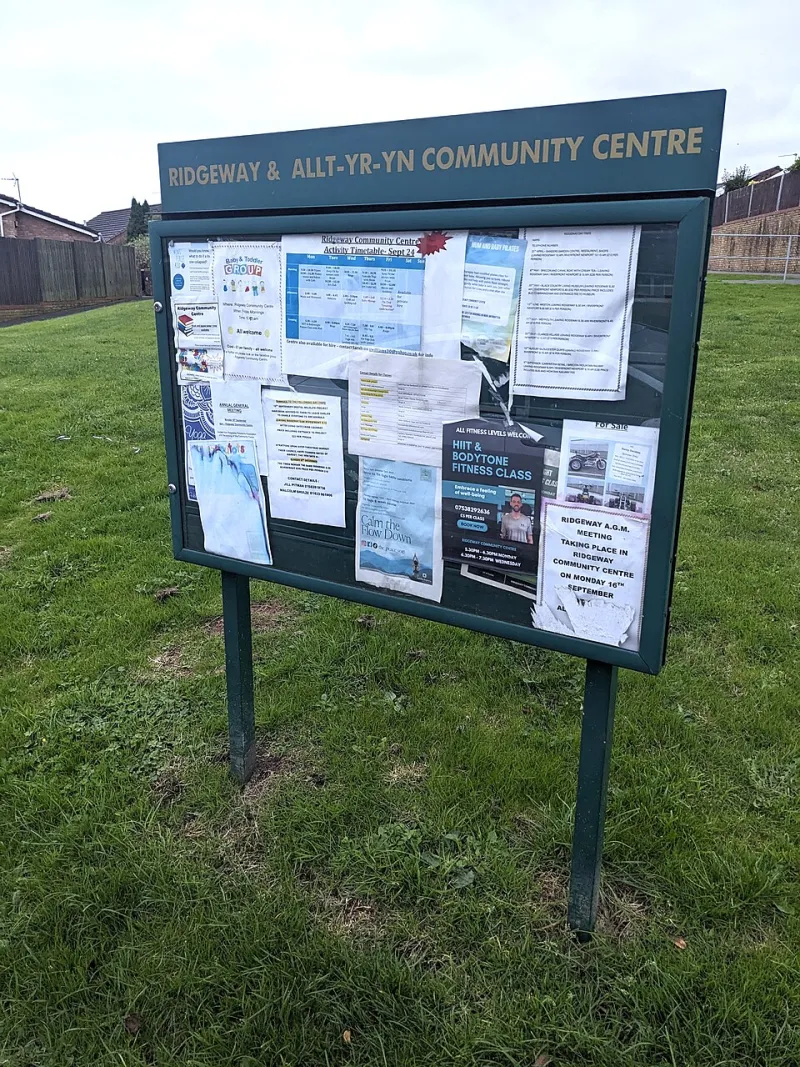
Photo: William Avery, CC BY-SA 2.5, via Wikimedia Commons
Most community platforms have a dashboard that can tell you how many people signed up, how many posts went out and which thread got the most replies. Very few can tell you whether someone hovered over the join button, read three threads and left because the place felt cliquey. That is the gap a vibe audit is meant to fill.
Think of it less as a performance review and more as reading the room. A good local pub does this constantly. So does a busy library and a well-run parish hall. None of them rely on a spreadsheet to know whether people feel comfortable. They notice the small signals: whether newcomers get a nod, whether the noticeboard is readable, whether there is a corner for quiet people and whether the staff look like they want to be there.
Your community platform can do the same. You do not need a consultant, a heatmap or a twelve-tab spreadsheet. You need a structured way of paying attention.
Start with the venues that already know atmosphere
A decent local has a few unwritten rules. You can walk in alone and not feel like you have interrupted a private party. The landlord or bar staff make eye contact. There is a menu, a noticeboard and a clear sense of what kind of place it is. If you want to sit quietly with a pint and a paper, nobody hassles you. If you want to ask a daft question, there is a human nearby who will answer it.
Libraries do something similar with less noise. They make the rules visible without making you feel accused. They offer help at the desk and leave you alone in the stacks. Parish halls are often less polished, but they tend to be honest about purpose: the hall is for the toddlers on Tuesday, the choir on Thursday and the parish council on the first Monday of the month. People know where they stand.
Community tech often forgets these lessons. It piles on features, adds another channel and assumes that more activity equals more belonging. A vibe audit is a way to check whether the basics are working before you add anything new.
The four-pass audit
Run this over a week, not an afternoon. You are looking for patterns, not a single bad thread. If possible, ask three people to help: a regular, a relative newcomer and someone who has never used the platform. The last one is your mystery visitor. Do not give them a guided tour. Just ask them to try to join and find something useful.
1. The doorway pass
Can a first-time visitor tell what this place is for within about ten seconds? Is the welcome message human, or is it a wall of policy? Are the rules easy to find without feeling like a warning sign? Is there a clear first step, such as an introduction thread, a help page or a simple explanation of what happens next?
A good pub puts its name over the door and its opening hours where you can see them. It does not hand you a rulebook before you sit down. Your platform should feel similar: clear about purpose, light on ceremony.
2. The quiet corner pass
Can someone lurk without being pounced on? Not everyone wants to post on day one. Check whether old threads are still readable, whether there is useful content for shy newcomers and whether the platform makes it easy to follow without contributing. Does every new member get an automatic public welcome that puts them on the spot? Does the group treat reading as participation, or as suspicious inactivity?
Libraries are excellent at this. You can spend an hour there and speak to nobody. That does not mean you are failing to use the library. Your platform should offer the same dignity to people who are still deciding whether to speak.
3. The bar pass
Are moderators visible and approachable? Not omnipresent, not invisible. Can you tell who runs the space? Is there a named person or a small team you could ask for help? When someone asks a basic question, does the reply come from a human or a bot that sounds like a parking ticket?
Look at response times, but do not turn them into a league table. The real question is whether people know where to go when something goes wrong. A good bar staff does not hover over every table. They are simply findable when needed.
4. The closing-time pass
How do people leave? Is there a clear way to pause notifications, download your data or say goodbye without drama? If someone disagrees, does the thread cool down or turn into a pile-on? Are there boundaries around late-night posting, or does the platform quietly expect moderators to be on call at eleven at night?
Pubs have last orders for a reason. A bit of ritual helps people wrap up. Your platform does not need a bell, but it does need an exit that does not feel like a punishment.
Turn what you noticed into a short list
Keep the notes simple. For each pass, write down three things: what you saw, what it felt like and what you might change. Avoid turning this into a scoring system that flatten people into numbers. You are looking for repeat signals, not a perfect score.
A few prompts that work well:
- What would make a nervous newcomer send one message?
- What would make a regular member feel less exhausted?
- What would make a moderator feel less like a nightclub bouncer?
- What would make the space feel more like a local and less like a leaflet rack?
Then pick one small fix. Rewrite the welcome post so it sounds like a person. Add a short start-here thread. Name the moderators and explain how to reach them. Make the rules shorter and put the useful bits first. Create a quiet, low-pressure way for lurkers to get a weekly digest. Add a clear data export page and link it in the footer. None of these are glamorous. That is the point.
Do not audit alone
A vibe audit is not a substitute for listening to members, but it is a useful way to hear what they are not saying. Ask a handful of people from different parts of the community to run the four passes with you. Compare notes. You will probably find that the regulars have stopped noticing the front door, the newcomers are stuck at it and the moderators are too close to the engine to hear the rattle.
The best community platforms do not feel engineered. They feel looked after. A pub, a library and a parish hall all manage that with a mix of routine, human presence and a clear sense of what they are for. Your platform can borrow the same instinct. Read the room, write down what you find and fix the smallest thing first. The vibe is not a mystery. It is a set of signals you have not been checking.