Introduction
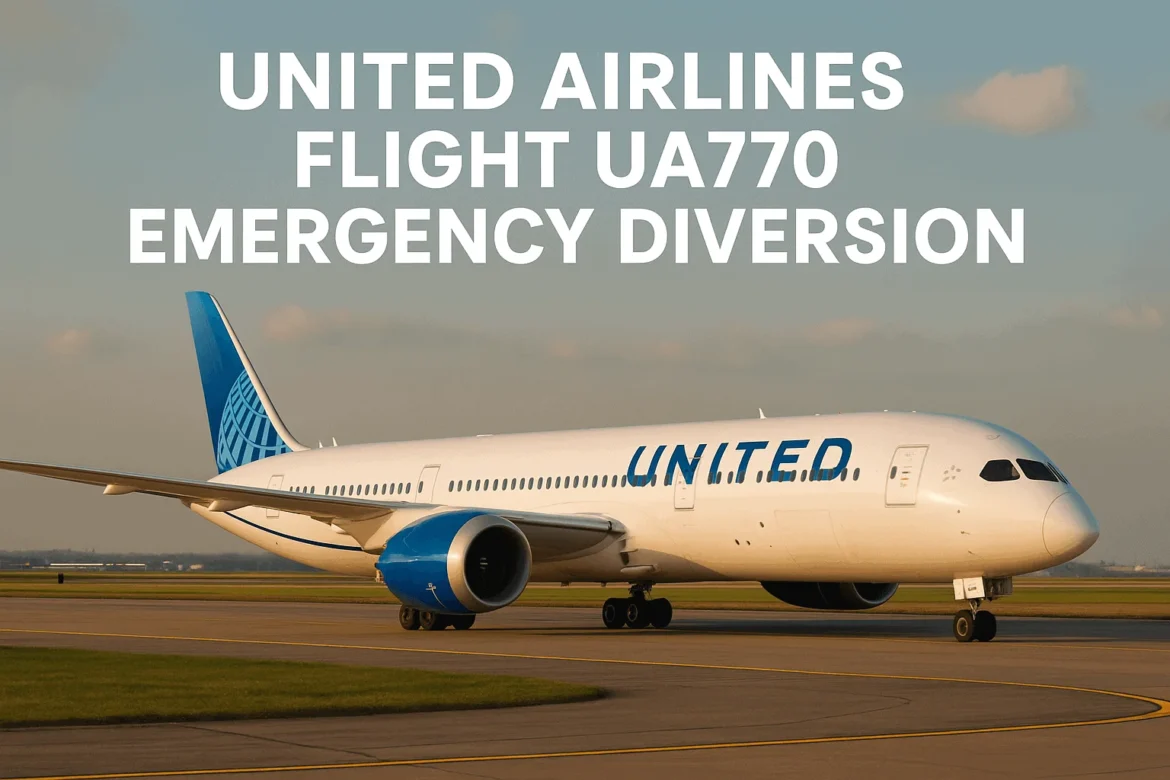
The aviation industry is built on precision, safety, and rapid response to unexpected situations, and incidents such as the United Airlines Flight UA770 emergency diversion highlight the importance of these principles in real-world scenarios. United Airlines operates thousands of flights globally, maintaining a strong safety record, yet even the most advanced systems occasionally face unforeseen challenges. The emergency diversion of Flight UA770 became a topic of interest among aviation enthusiasts, passengers, and safety analysts, as it demonstrated how airlines handle mid-air complications while prioritizing passenger safety. This event offers valuable insights into the procedures, decision-making processes, and coordination required when a commercial aircraft must alter its route unexpectedly.
Overview of Flight UA770 and Its Scheduled Route
United Airlines Flight UA770 Emergency Diversion was scheduled to operate a routine commercial journey, connecting major destinations with a full passenger load and experienced crew onboard. Like any commercial flight, it followed a carefully planned route, considering weather conditions, air traffic, and operational efficiency. However, during the course of the flight, an unexpected issue arose that required immediate attention from the flight crew. The emergency diversion decision was made in accordance with aviation safety protocols, ensuring that the aircraft could land at the nearest suitable airport to address the situation safely.
Nature of the Emergency Situation
The exact nature of the emergency that led to the United Airlines Flight UA770 Emergency Diversion can vary depending on reports, but common causes for such actions include technical malfunctions, medical emergencies, or environmental factors such as severe weather. In many cases, pilots must rely on real-time data and communication with ground control to assess the severity of the situation and determine the best course of action. The decision to divert a flight is never taken lightly, as it involves logistical challenges and potential inconvenience for passengers. However, safety remains the top priority, and any indication of risk prompts immediate corrective measures.
Pilot Decision-Making and Cockpit Coordination
The role of the United Airlines Flight UA770 Emergency Diversion crew during an emergency is critical, as they are responsible for ensuring the safety of everyone onboard. Pilots undergo extensive training to handle various emergency scenarios, including system failures, cabin pressure issues, and in-flight medical situations. In the case of Flight UA770, the pilots would have followed established protocols, assessing the situation, communicating with air traffic control, and coordinating with cabin crew members. Effective communication and teamwork are essential during such moments, as they allow for quick and accurate decision-making that minimizes risk and ensures a safe outcome.
Air Traffic Control and Ground Support Response
Air traffic control plays a vital role in managing United Airlines Flight UA770 Emergency Diversion, providing guidance and support to the flight crew throughout the process. When Flight UA770 declared an emergency, air traffic controllers would have prioritized its landing, clearing airspace and coordinating with the destination airport to ensure a smooth arrival. Ground support teams, including emergency services and maintenance crews, would have been prepared to assist upon landing.
Passenger Experience During the Emergency Diversion
For passengers onboard United Airlines Flight UA770 Emergency Diversion, the experience of an emergency diversion can be both stressful and confusing. While the flight crew works behind the scenes to manage the situation, passengers rely on clear communication and reassurance from the cabin crew. In many cases, announcements are made to inform passengers of the situation without causing unnecessary panic. Cabin crew members are trained to handle emergencies calmly, providing assistance and ensuring that safety procedures are followed.
Safety Protocols and Emergency Procedures
The aviation industry operates under strict safety regulations designed to handle a wide range of emergency scenarios. Airlines like United Airlines Flight UA770 Emergency Diversion adhere to guidelines set by organizations such as the Federal Aviation Administration and the International Civil Aviation Organization, which establish standards for aircraft maintenance, crew training, and emergency response. These protocols ensure that pilots and crew members are prepared to handle unexpected situations effectively.
Aircraft Systems and Technical Considerations
Modern aircraft are equipped with advanced systems designed to detect and respond to potential issues before they escalate into serious problems. These systems provide real-time data to pilots, allowing them to monitor engine performance, cabin conditions, and other critical parameters. In the event of a malfunction, backup systems and redundancy measures ensure that the aircraft can continue operating safely until it reaches a suitable airport.
Impact on Airline Operations and Scheduling
An emergency diversion can have a significant impact on airline operations, affecting schedules, passenger connections, and resource allocation. When United Airlines Flight UA770 Emergency Diversion diverted from its original route, United Airlines would have needed to coordinate alternative arrangements for passengers, including rebooking flights and providing accommodations if necessary. While such disruptions can be inconvenient, airlines prioritize passenger safety and work to minimize the impact on travel plans. The ability to manage these situations efficiently reflects the operational strength and customer service commitment of the airline.
Media Coverage and Public Reaction
Incidents involving emergency diversions often attract media attention, as they highlight the challenges and complexities of aviation safety. The United Airlines Flight UA770 Emergency Diversion likely generated discussions among aviation experts, journalists, and passengers, with many focusing on the professionalism of the crew and the effectiveness of safety protocols. Public reaction to such incidents is generally positive when the situation is handled successfully, as it reinforces confidence in the aviation industry and its commitment to safety.
Lessons Learned from the Incident
Every emergency diversion provides valuable lessons for airlines, regulators, and aviation professionals. The experience of United Airlines Flight UA770 Emergency Diversion can be used to review procedures, identify areas for improvement, and enhance training programs. Continuous learning and adaptation are essential in maintaining high safety standards and ensuring that future incidents are handled even more effectively. By analyzing such events, the aviation industry can continue to evolve and strengthen its safety culture.
Importance of Crew Training and Preparedness
The successful handling of an emergency diversion depends heavily on the training and preparedness of the flight crew. Pilots and cabin crew undergo rigorous training programs that include simulated emergency scenarios, allowing them to practice their responses in a controlled environment. This training ensures that they can remain calm and focused under pressure, making informed decisions that prioritize safety. The professionalism displayed during the United Airlines Flight UA770 Emergency Diversion incident reflects the high level of training and dedication required in the aviation industry.
Passenger Safety and Confidence in Aviation
Despite occasional incidents, air travel remains one of the safest modes of transportation, thanks to strict regulations, advanced technology, and highly trained personnel. The United Airlines Flight UA770 Emergency Diversion serves as a reminder of the industry’s commitment to safety and its ability to handle unexpected situations effectively. Passengers can take confidence in knowing that airlines prioritize their well-being and have robust systems in place to address any challenges that may arise during a flight.
Future Improvements and Technological Advancements
The aviation industry continues to invest in new technologies and innovations aimed at improving safety and efficiency. From advanced navigation systems to predictive maintenance tools, these developments help reduce the likelihood of emergencies and enhance the ability to respond when they occur. The lessons learned from incidents like United Airlines Flight UA770 Emergency Diversion contribute to ongoing improvements, ensuring that air travel becomes even safer in the future.
Conclusion
The United Airlines Flight UA770 Emergency Diversion highlights the importance of safety, preparedness, and effective communication in the aviation industry. From the initial detection of the issue to the successful landing and passenger support, every aspect of the response demonstrates the professionalism and dedication of airline staff and aviation authorities. While such incidents can be challenging, they also provide valuable insights into how the industry operates under pressure and continues to prioritize passenger safety above all else. As aviation technology and training continue to evolve, events like this serve as important reminders of the resilience and reliability of modern air travel, reinforcing trust in airlines like United Airlines and the global aviation system as a whole.
You May Also Read: Los Angeles Rams vs Philadelphia Eagles Match Player Stats