When the Village Hall Floods at 6am: Rehearsing Your Group's Crisis Comms Without Causing One
You know the message. It arrives at 6:12am, all capitals and typos, because the hall roof has finally given up and the treasurer is standing in an inch of water with one bar of signal. And the first reply, twenty minutes later, is the one nobody wants: "sorry, didn't see this till now — is this the right group?"
Most UK community groups are one dodgy notification away from that scene. Not because people don't care, but because nobody has ever checked whether the pipes actually connect. A mailing list built in 2019, a WhatsApp group made for a one-off jumble sale, an admin who moved to Leeds, a Facebook page nobody has posted on since the spring fete.
Here's the fix, and it's cheap: a quarterly digital rehearsal. Not a crisis, not a big exercise with a flip chart — twenty minutes, once a season, that tells you where the message actually lands.
Why winter is the wrong time to find out
Between November and February the UK does its annual impression of a country made of puddles. Named storms, cancelled trains, burst pipes, power cuts, and the small local emergencies that never make the news but absolutely ruin a Saturday — a flooded scout hut, a community larder with no delivery, a venue that shuts with three hours' notice.
Running a rehearsal in late autumn, then again in January, means the gaps surface while the stakes are low. You want the moment where a message goes out and nothing happens to be a Tuesday in November, not the morning of the winter fair.
The twenty-minute drill
Keep it deliberately small. Pick a scenario that is plausible and mildly boring — "the hall is shut this weekend" beats a fictional earthquake. Announce it as a test in the first line, always, so nobody panics and nobody rings the police.
1. Test reach, not enthusiasm
Send the test message through each channel you use — email, the WhatsApp group, the forum thread, the SMS list if you have one, the socials — and note the time. Then ask people to reply with a single word. Count how many reply within an hour, and how many within a day.
What you're measuring is not loyalty. It's plumbing. A forum where four of your sixty members have ever logged in is not a channel; it's an archive.
2. Test the handover, not the person
This is the one that catches almost everybody. Get your backup admin to send the test message, not the usual one. If they can't, you've found your single point of failure — and it lives in someone's personal phone, tied to a phone number they've had since university.
Do the same for the mailing list, the website, the booking system and the bank account. Write down who holds the keys and, crucially, who holds the spare set.
3. Test the backup channel
Suppose WhatsApp is down, or the coordinator's phone is in a puddle. What then? A group with one channel has no channel. Have a second route that doesn't depend on the same device, the same person or the same platform — a plain email list, a phone tree on paper, a notice pinned in the actual physical hall.
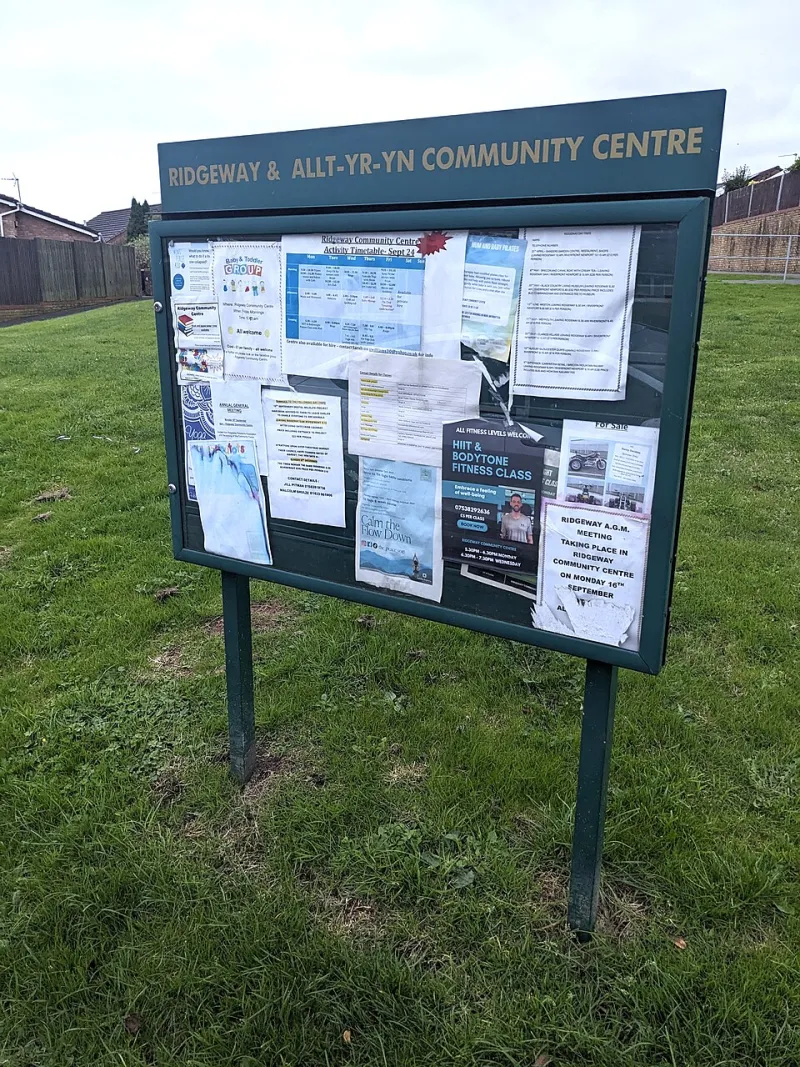
The old-fashioned backup is not embarrassing. It's the reason parish noticeboards still work when the website doesn't.
4. Test the message itself
Read your test message back cold. Does it say who it's from, what has happened, what people should do next, and where to find more? Or does it say "as discussed" and assume everyone was in the meeting?
A useful discipline: four lines maximum. Situation, action, time, contact. If it needs a fifth line, it needs a phone call instead.
5. Test what comes back
People will reply. Who reads it? If your test message invites replies and gets eleven of them with no human answering, you've discovered the quietest failure mode of all — the channel that works one way only.
Have a named person (and a backup) on rota for the first 24 hours of any real incident. It's the same principle as a duty phone for a volunteer group, minus the phone.
Keep safeguarding out of the broadcast
One rule worth printing in bold: test messages and crisis messages alike should never carry a child's name, a health detail or anything else that would make a parent wince if it were forwarded. Describe the situation, not the person. "A participant needs to be collected" is fine. Names in a 200-person group chat are not, and it's a data protection question as much as a safeguarding one.
Score it on one side of A4
You don't need a dashboard. A table with five rows will do.
- Channel tested, and date
- Percentage reached within one hour
- Backup admin able to send — yes or no
- Second channel available — yes or no
- Replies answered within a day — yes or no
Three quarters of groups will fail at least one row on the first attempt. That's the point. A failed drill is a cheap drill.
Turn the results into a one-page plan
After the drill, write a single page and put it in two places: pinned inside the hall cupboard, and in the shared drive. It needs the scenarios you actually face, the order you'd use the channels in, who sends what, who answers replies, and the phone numbers of the three people who can unlock things.
Then diarise the next one. Same time next quarter, different scenario. Rotate who runs it, so the knowledge doesn't pool in one head.
The bit people skip
Tell everyone what you learned. A short, plain-language note — "we tested our alert system, here's what worked, here's what we're fixing" — does more for trust than any polished newsletter. It signals that the group is run by people who check things, which is quietly the whole game when it comes to digital community.
The drill costs twenty minutes and a slightly awkward group chat. The alternative costs a flooded hall, forty confused volunteers and a message nobody saw.